Sicily: Frequently Asked Questions
WhirlAway Travel Advisor Sara Samuel recently returned from Sicily, where she dined, discovered, and delighted in the island’s most charming towns, restaurants, and sites. Here, she shares her personal FAQs to help get you started on the what, when, where, and how of the island. Prego!
What seasons have the best weather in Sicily?
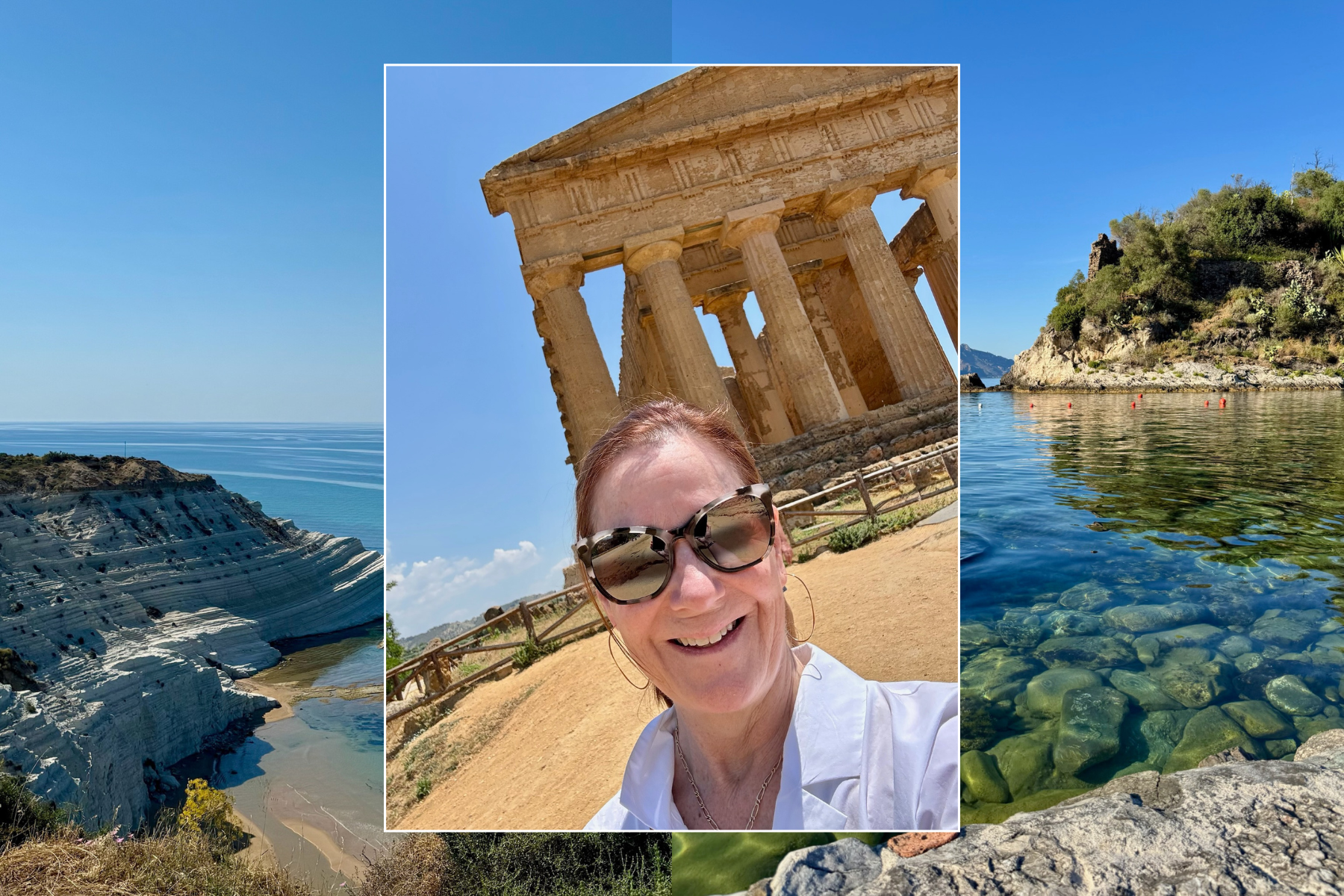
Spring and fall are the best seasons when it comes to ideal temperatures. May to early June brings pleasant to warm spring weather, while late September through October transitions from warm summer to mild autumn. March and April are wonderful for sightseeing, but often too cool for swimming or outdoor dining. Summers in Sicily are considered too hot for comfortable sightseeing.
What are some of the best hotels in the region?
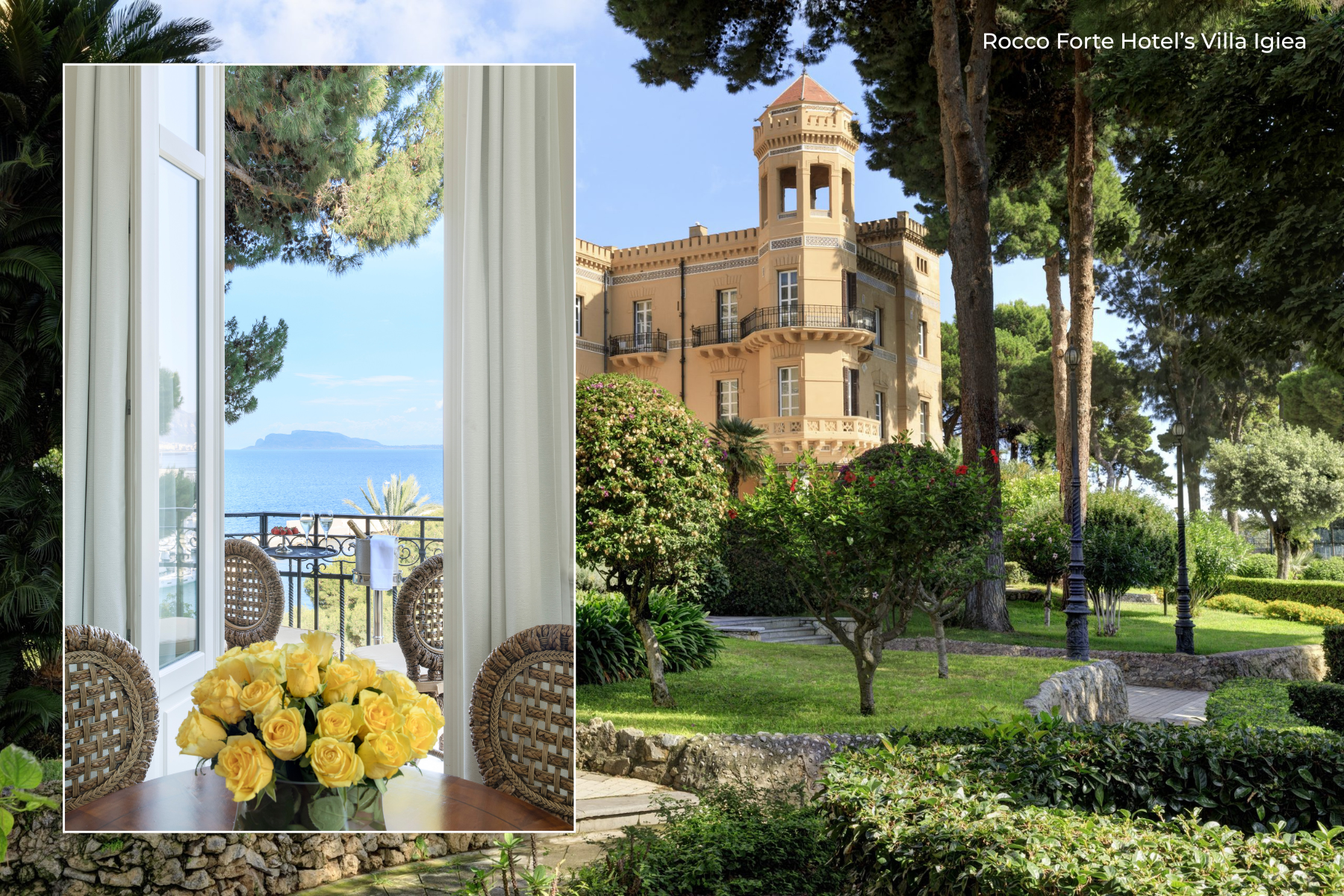
Palermo: Rocco Forte’s historic Villa Igea is housed in a turn-of-the-century palazzo overlooking the gulf. Original Art Nouveau interiors and 1950s frescos merge with sublime updates.
Agrigento: Villa Athena is in a magical location with views of the Temple of Concordia from rooms, dining spaces, and the pool. It features an exclusive entrance for guests into the UNESCO World Heritage archeological park.
Ortigia: Set in a 19th century palace, Palazzo Artemide is a boutique property located on the quieter Piazza Minerva, connected to the main Piazza Duomo.
Cefalù: Le Calette N°5 is a beautiful resort property in the charming seaside town along Caldura Bay.
Southwest coast: Verdura Resort is tucked into a private stretch of countryside along the coast, about 10 miles outside of Sciacca. The outstanding resort property features two championship golf courses.

What is the food like?
Traditional Sicilian foods include fresh fish and seafood, including sardines and swordfish, as well as sfincione (a pizza-like street food made with soft dough); arancini (fried and stuffed rice balls); pasta alla norma (short pasta tossed in a garlic-tomato sauce with eggplant, ricotta salata cheese, and basil), and caponata (sweet-and-sour eggplant relish made with celery, tomatoes, olives, and capers). A classic Sicilian breakfast is granita—semi-frozen and made from water, sugar, and natural flavorings (almond, lemon, coffee, pistachio) and served with warm brioche. Popular desserts are cannoli and Modica chocolate, while regional wines include Nero d’Avola and Marsala.
What are the must-sees?
The most popular cities include the capital of Palermo, Taormina near Mount Etna, and Syracuse, known for its ancient ruins. Favored coastal locales include the charming medieval town of Cefalù (don’t miss its 12th century Normal Cathedral) and Ortigia (Baroque architecture, lively piazzas, a cathedral built on an ancient Greek temple). For must-visit inland hill towns, there’s Noto (renowned for the Infiorata di Noto flower festival in May), Modica (famous for its chocolate-making tradition), and Ragusa (beautiful views, winding streets, traditional Sicilian cart artisans). The western Sicily towns of Trapani and Erice are known for their salt pans and excellent food and wine. Popular sites include Mount Etna, Monreale Cathedral, the Valley of the Temples in Agrigento, and ancient Greek sites Segesta and Selinunte.

Is Palermo worth visiting?
Palermo is considered one of Sicily’s more gritty cities, yet it’s also authentic and full of life with a Jewish history that dates back to the 12th century. It’s known for its food scene, including street food, historic markets, and contemporary dining. There are more than 100 churches, chapels, and oratories in Palermo, featuring a mix of Arab-Norman, Byzantine, Gothic, and Baroque architecture. The Stanze al Genio museum houses one of Europe’s largest collections of hand-painted majolica and ceramic floor tiles.
Is Mount Etna safe to visit?
Mount Etna is generally considered safe, and its eruptions are simply part of local life in the region. It is one of the best-monitored volcanoes in the world, and its frequent eruptions are usually effusive (slow-moving lava) rather than explosive. Local authorities closely track activity, restrict access to dangerous summit zones when necessary, and surrounding towns remain well-protected.
Should I stay in one location and plan day trips or stay in multiple spots on the island?
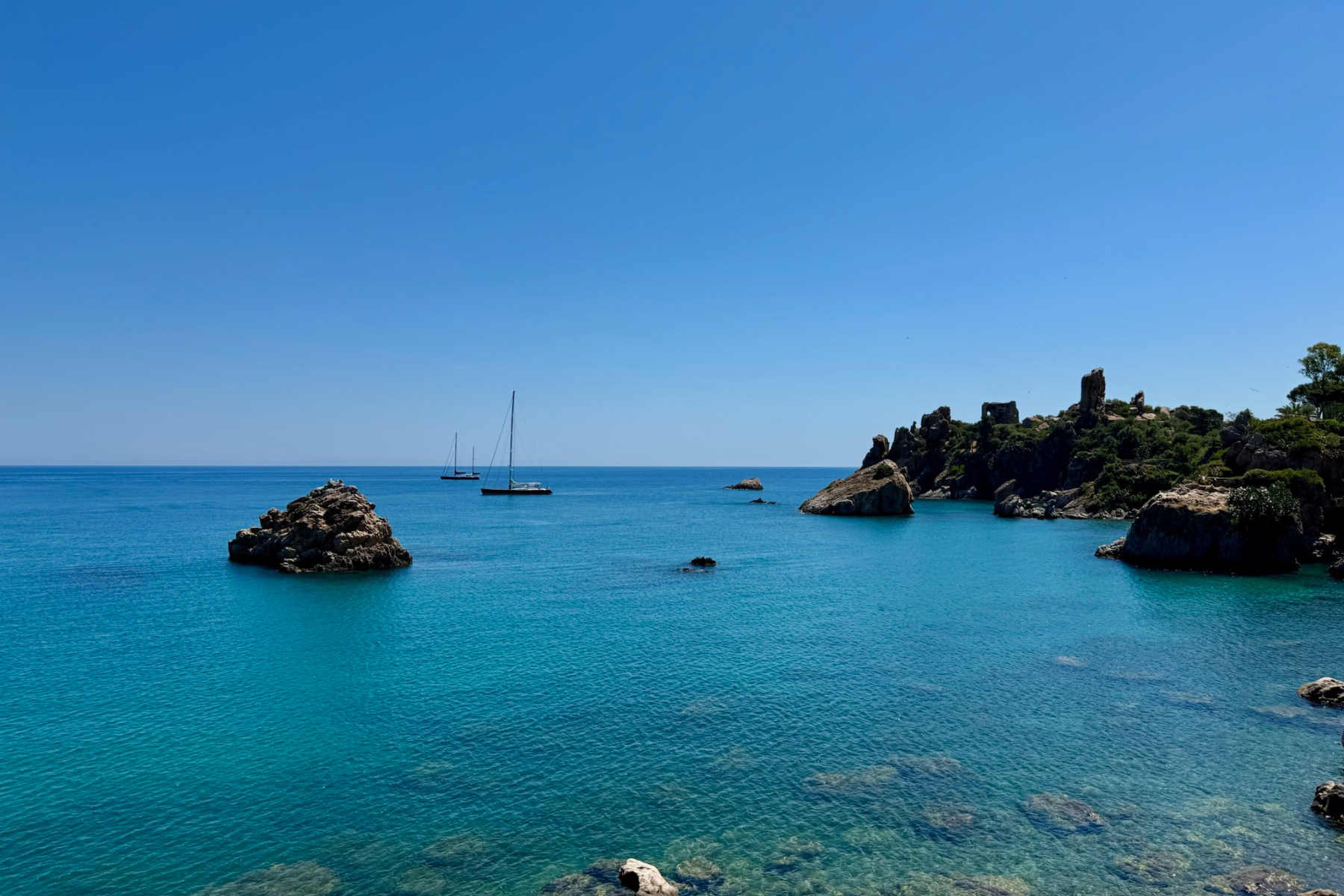
Sicily is the largest island in the Mediterranean (about the size of Vermont), so if you want to experience most of the island, it’s best to stay in three or four different locations. Its winding coastal roads, mountainous inland, and unpredictable traffic mean that driving across the island can take four to five hours so attempting to see the entire island from one central spot will likely leave you little time to enjoy the destinations.